
Hotel and Hospitality Property Roofing in Greenville
Hotel and Hospitality Property Roofing in Greenville
Commercial roofing for full-service hotels, limited-service hotels, extended-stay properties, and hospitality brands throughout Greenville, SC.
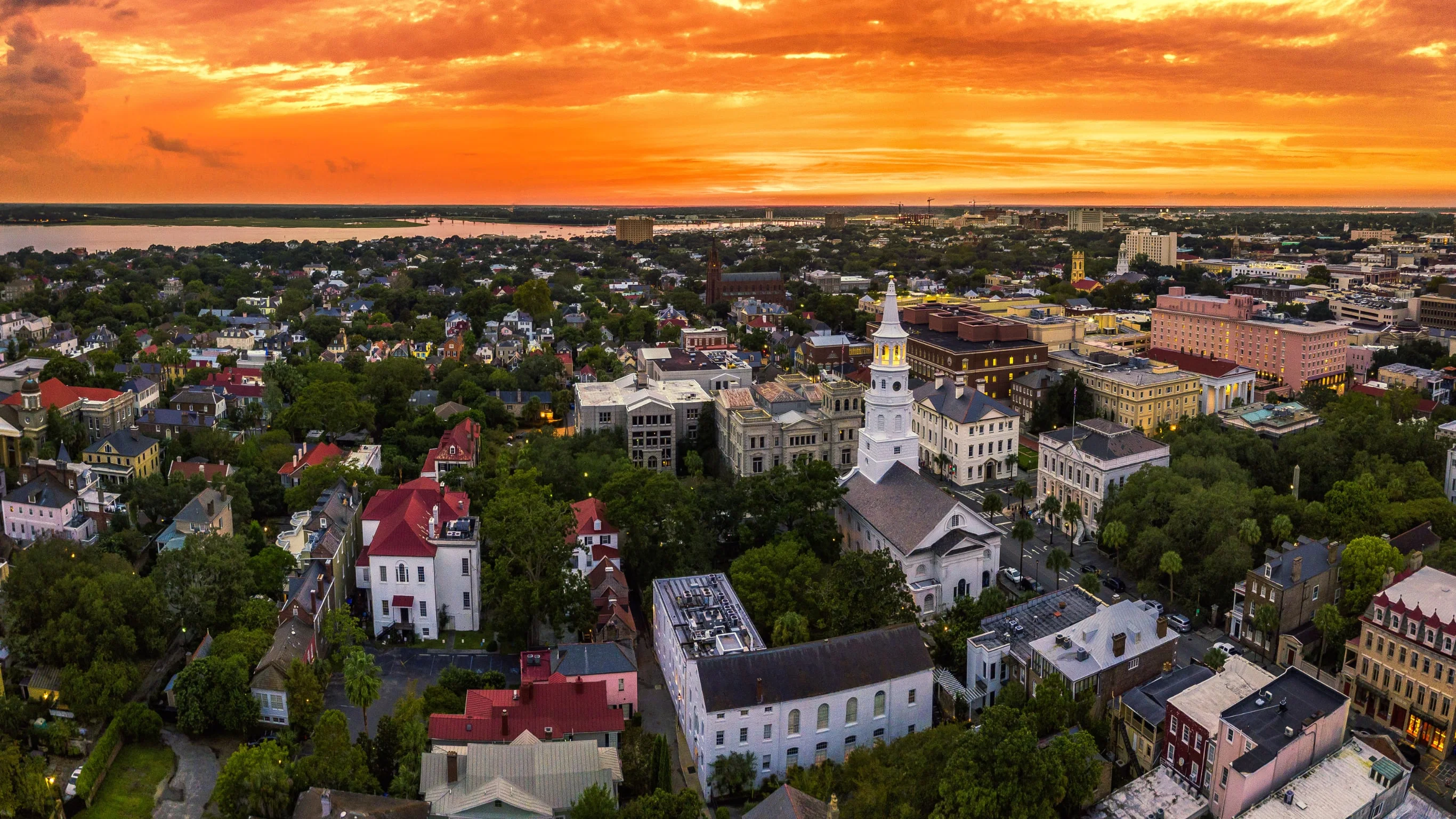
Greenville, South Carolina has undergone one of the most dramatic urban transformations in the Southeast over the past two decades, and its hospitality sector reflects that growth with force. The Bon Secours Wellness Arena, the BMW Manufacturing plant visitor program, and the revitalized Main Street district have together produced a hotel market that now extends from the urban core outward along Woodruff Road and through the Haywood Road business corridor. Properties ranging from boutique independents to full-service Marriott and Hyatt flags compete aggressively, and the physical condition of those hotels — including the roofs — directly influences rate positioning in a market where online reputation drives booking behavior.
BMW's Spartanburg plant and the broader Upstate automotive supply chain generate a category of extended corporate traveler that fills Greenville hotels Monday through Thursday with remarkable consistency. This weekday corporate base means extended-stay brands like Residence Inn and TownePlace Suites along the Woodruff Road corridor operate at high weekday occupancy even outside peak leisure seasons, which compresses the maintenance scheduling window for roofing work to Friday-through-Sunday windows or full-property renovation periods. Roofing contractors working in the Greenville market have adapted to this pattern by deploying larger weekend crews and completing noisier phases — tearoff, fastening of insulation boards — between Friday afternoon and Sunday morning when corporate guests have checked out.
Greenville's Blue Ridge foothills location produces a weather pattern that catches some hotel operators off guard. Summer thunderstorm cells intensify as they move across the Upstate toward the higher terrain, delivering stronger winds and heavier rain than forecasts generated for inland Piedmont locations suggest. HVAC equipment curb flashings and pipe penetration boots that were acceptable for flat-terrain wind loads may experience significant uplift stress during these orographic-enhanced storms. Hotels on elevated sites in the Verdae development or along the I-85/I-385 interchange areas are particularly exposed to this wind enhancement effect and should specify mechanically fastened membrane systems with uplift ratings appropriate for coastal-level wind zones, not just inland South Carolina standards.
Property Improvement Plans for Greenville's franchise hotel properties have grown more technically demanding as the brand standards committees have updated their specifications to reflect current energy codes and materials science. Hilton's brand standards for Carolina properties now specify TPO or EPDM systems with minimum warranty terms of fifteen years backed by the manufacturer, not merely the installing contractor. Greenville hotel owners navigating a PIP should engage a roofing consultant to review the brand requirements before soliciting contractor bids — the gap between what a generic commercial roofing bid covers and what a PIP-compliant installation requires can represent twenty percent of project cost, a discovery that is far less painful before contracts are signed.
The summer heat in Greenville is more persistent than the city's mountain-adjacent marketing might suggest. July and August bring weeks of ninety-degree days with humidity levels that keep heat indices well above one hundred, and hotel rooftop surfaces without reflective membranes can reach one hundred sixty degrees Fahrenheit under direct sun. At those surface temperatures, aged modified bitumen systems soften and flow, causing lap seams to open and pitch pan fillers to melt out of their containers. Full-service hotels that shifted to white TPO or cool-roof-rated coatings over the last ten years have documented meaningfully lower cooling energy costs during the peak summer weeks, a selling point that asset managers use to justify membrane capital investment against the long-term operating budget.
Greenville's growing convention business, led by the Hyatt Regency and the Greenville Convention Center complex, has raised the stakes for roof performance at nearby hotels that capture convention overflow business. A property with an active leak complaint during a major convention weekend risks losing that group's future business entirely — meeting planners talk to each other, and a property that appears on a "problems" list circulated through Greenville's active convention sales community faces long-term booking consequences. Hotels within the convention catchment area along Church Street and the West End have accordingly prioritized roof maintenance as a brand protection investment, not merely an asset preservation cost.
The pool deck waterproofing challenge in Greenville is compounded by the market's design trends toward rooftop pool and amenity decks on newer boutique and lifestyle properties. The Graduate Greenville and similar independents have invested in elevated outdoor spaces that require sophisticated waterproofing assemblies beneath pavers, wood decking, and planters. These assemblies must manage both liquid waterproofing continuity and vapor transmission from the building interior below, and the failure mode — water tracking horizontally through the insulation layer before appearing at an interior ceiling far from the breach point — is notoriously difficult to diagnose without professional infrared surveying. Specifying a robust hot-fluid-applied waterproofing membrane with a protection board layer over a properly sloped structural deck is the most reliable approach for Greenville's new-construction rooftop amenity spaces.
Limited-service hotels along the Mauldin Road and Pleasantburg Drive corridors often house extended renovation cycles alongside active operations, as their owners upgrade assets to meet current brand standards without the capital available to close the property entirely. In these live-in-place renovation scenarios, the roofing contractor's logistical discipline is as important as their technical capability. Dumpster placement that blocks parking reduces guest arrival experience. Compressor noise from membrane welding equipment before 7 AM generates complaints that reach the franchisor. The best Greenville hotel roofing contractors assign a dedicated project manager for occupied-property work whose role is specifically coordinating with the front desk team, not just managing subcontractors.
Preventive maintenance schedules for Greenville hotels should account for the spring pollen season that blankets Upstate South Carolina with pine and hardwood deposits from March through May. Roof drains plugged with pollen and leaf debris during spring rain events are among the most common sources of water intrusion complaints at properties that do not maintain drain screens. A March drain-clearing inspection, combined with a proactive HVAC curb inspection before the summer cooling season begins, addresses the two most common failure points in the Greenville climate and typically costs less than one hour of emergency call-out labor per incident prevented.
- Roof Tear Off Replacement
- Skylight Penetration Flashing
- School Roofing
- Government Building Roofing
- EPDM Commercial Roofing
- Commercial Roof Leak Repair
- Church Roofing
- Solar Roof Integration