
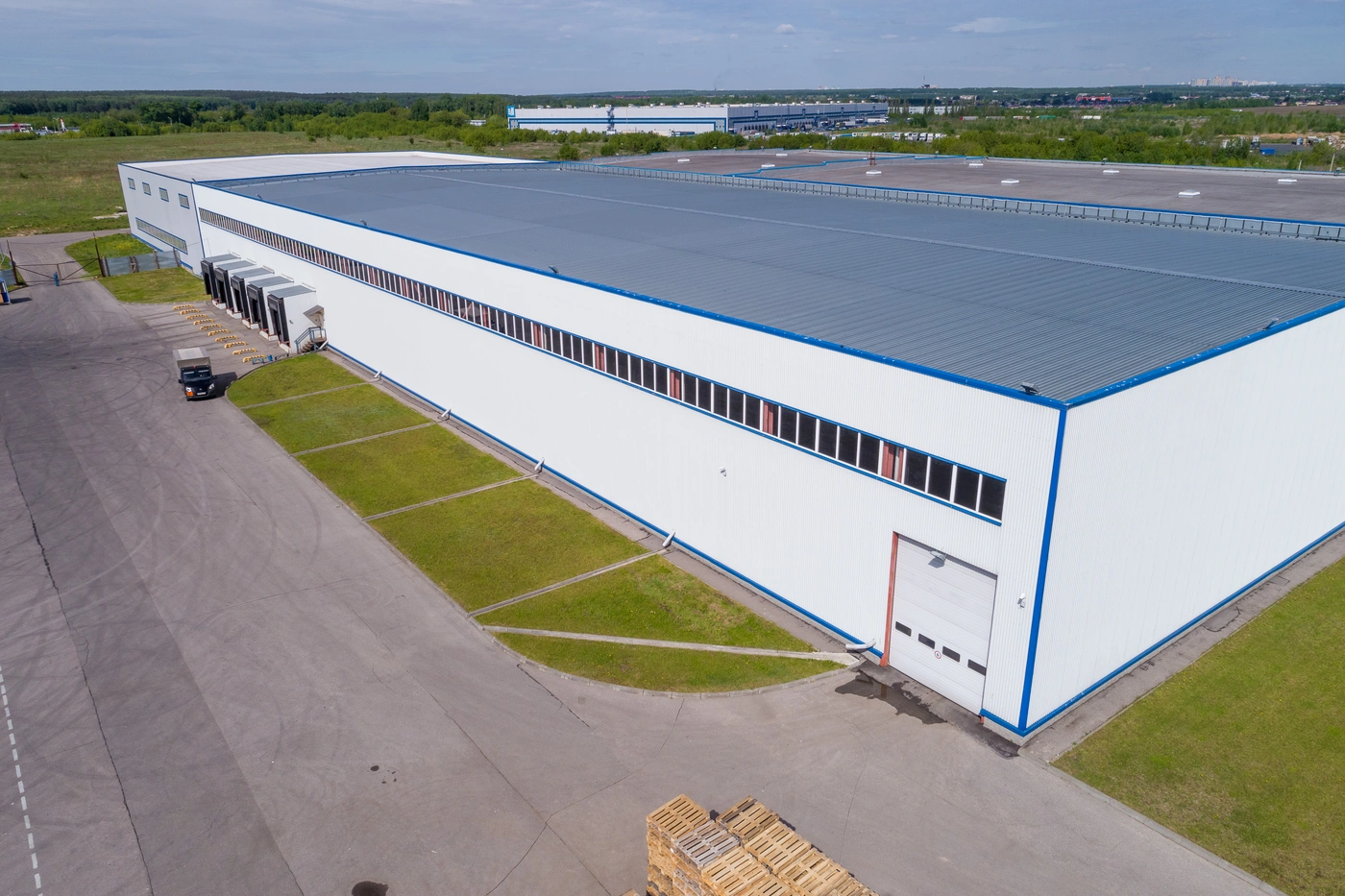
Warehouse and Distribution Center Roofing in Greenville
Warehouse and Distribution Center Roofing in Greenville
Commercial roofing for warehouses, distribution centers, and industrial facilities throughout Greenville, SC. TPO, EPDM, and metal roof systems.
Michelin North America maintains a major tire distribution and logistics hub in Greenville County, operating alongside a dense cluster of automotive-sector warehouses and manufacturing support facilities that have made the Upstate South Carolina market one of the Southeast's premier industrial real estate destinations. The region's growth, defined by I-85 access and the Port of Charleston's expanding capacity, has created a substantial demand for commercial roofing services on both new construction and the re-roofing of aging distribution buildings that have reached the end of their original membrane service life.
Greenville's climate sits in the transition zone between humid subtropical and the slightly cooler Piedmont conditions found further inland. Summer heat and humidity are intense — surface membrane temperatures on a dark TPO roof in July can reach 160°F — but the region also receives occasional winter ice events and, less frequently, snowfall that can stress older roofs. This combination makes membrane flexibility across a wide temperature range a key selection criterion. TPO in 60- or 80-mil thickness has become the standard for new Greenville warehouse construction, while EPDM remains competitive on re-cover projects where budget constraints favor a recover-over-existing approach rather than full tear-off.
Drainage design on Greenville warehouse roofs must account for the Upstate's periodic intense thunderstorms, which can generate rainfall intensities of three inches per hour during peak summer convective events. The South Carolina Building Code, which tracks IBC closely, requires primary drain sizing based on local rainfall intensity data from NOAA technical publications. Contractors who size drains using national average tables rather than regional data often underdesign systems for Upstate conditions. Properly designed tapered insulation systems that achieve positive slope to drain across the full roof area are essential, as ponded water combined with Greenville's heat and UV accelerates membrane aging dramatically.
Automotive supply chain facilities in Greenville County have unique rooftop penetration profiles. In addition to standard HVAC equipment and exhaust fans, many facilities run welding exhaust, paint spray booth ventilation, and parts-washing equipment that exits through roof penetrations. These exhaust streams carry particulates and sometimes aggressive chemical residues that degrade standard flashings and membrane materials faster than typical warehouse exhaust. Stainless-steel curb caps, chemical-resistant sealants, and frequent inspection cycles are necessary to maintain weathertight conditions at these specialized penetrations.
Dock door flashing on Greenville's tilt-up and precast concrete distribution buildings requires attention to the seasonal moisture cycling inherent in the humid subtropical climate. Concrete wall panels absorb and release moisture through the year, and the slight dimensional changes that accompany this cycling can work at interface flashings that were installed with inadequate movement accommodation. Two-piece counterflashing systems with slotted reglets that allow panel movement without tearing the flashing away from the wall are the appropriate detail for this market.
South Carolina energy code compliance for warehouse roofs is governed by the South Carolina Energy Code, which aligns with ASHRAE 90.1. For Climate Zone 3A, which includes Greenville, minimum roof thermal resistance requirements and cool-roof provisions apply to new construction and major renovations. High-reflectance TPO membranes meet both the reflectance requirements and, when combined with appropriate insulation thickness, the thermal resistance targets. Many Greenville distribution operators have found that upgrading to code-compliant insulation and membrane during re-roofing reduces peak cooling loads enough to justify the incremental cost through energy savings alone.
South Carolina contractor licensing requires a Specialty Contractor — Roofing classification administered by the Contractor's Licensing Board. Commercial roofing contractors working on large industrial facilities in Greenville County are expected to maintain comprehensive insurance packages including commercial general liability, professional liability, and workers' compensation. Large automotive-sector tenants and institutional property managers routinely require contractor insurance certificates naming them as additional insured before authorizing rooftop access.
The Greenville industrial roofing market has developed a strong cadre of regional contractors with specific expertise in automotive-sector facility requirements, reflecting the market's manufacturing base. These contractors understand the production-schedule constraints that prevent shutting down a Tier 1 supplier facility for re-roofing, and they have developed phased execution plans that allow continuous operations while each roof section is isolated, stripped, and re-membraned sequentially. Pre-work planning that accounts for crane placement, debris chute positioning, and material staging in congested truck courts is a key differentiator in this competitive market.
Preventive maintenance programs for Greenville distribution roofs typically include biannual inspections aligned with the spring and fall transition seasons, when temperature swings are most likely to reveal failed seams and cracked flashings before the rainy periods that follow. Documentation of all maintenance work, tied to specific roof coordinates using drone imagery, has become standard practice among contractors serving institutional property owners in the Upstate market, reflecting broader adoption of digital asset management platforms across the commercial real estate sector.
- Solar Roof Integration
- Spray Foam Roofing
- Storm Damage Roof Repair
- Industrial Warehouse Roofing
- Healthcare Facility Roofing
- Preventive Roof Maintenance
- Preventive Maintenance Programs
- Auto Dealership Roofing