
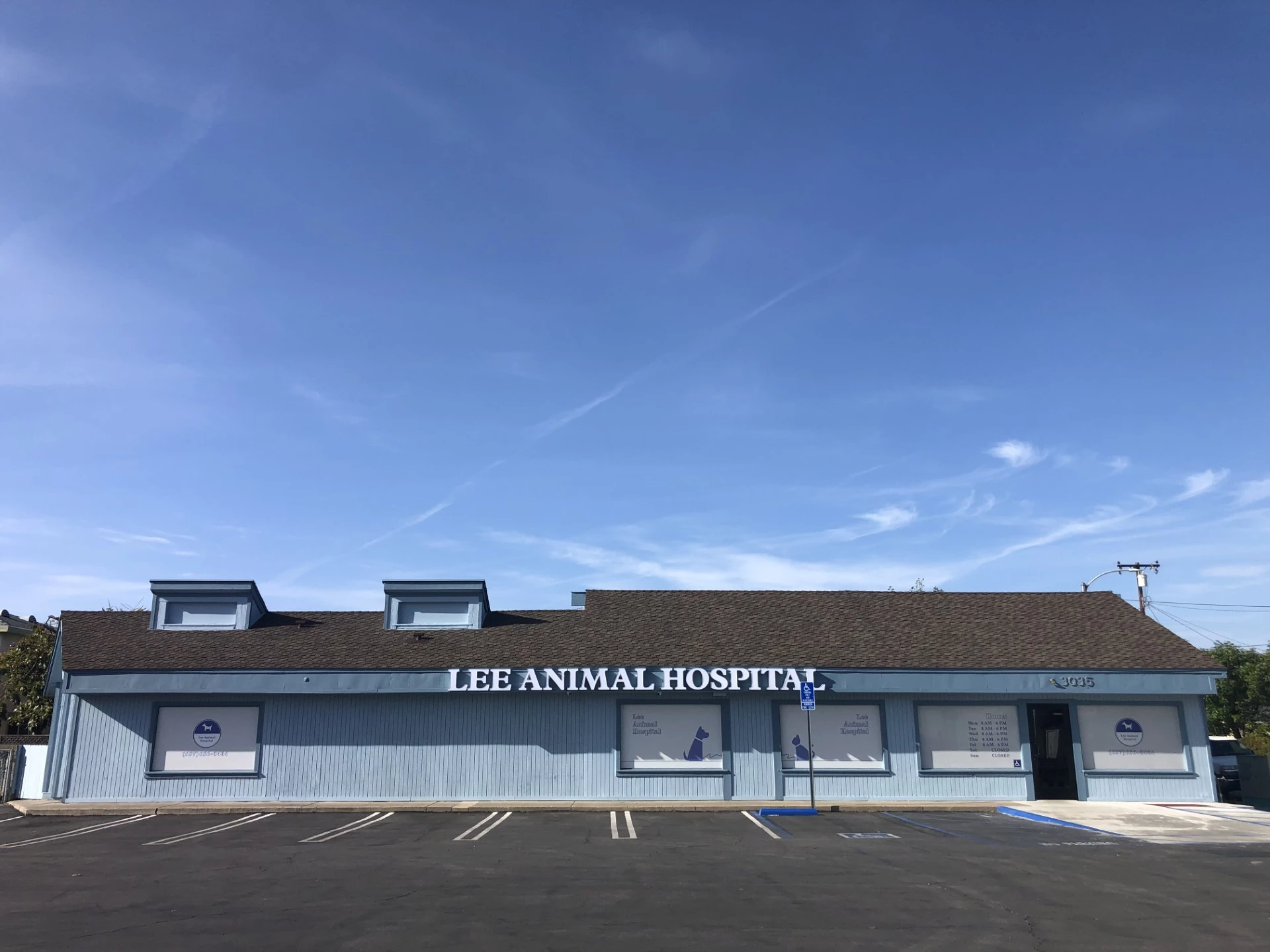
Veterinary Clinic & Animal Hospital Roofing in Greenville
Veterinary Clinic & Animal Hospital Roofing in Greenville
Commercial roofing for veterinary clinic & animal hospital roofing in Greenville, SC — specifications, scheduling, and project coordination for this building type.
Veterinary clinic and animal hospital roofing in Greenville is a specialty because of the operational coordination requirements — not because the building is structurally unusual. Most veterinary facilities are standard commercial construction: light commercial steel or wood frame, flat or low-slope roof, with a denser-than-average penetration count. The specialty is in understanding that animals can't be told to wait, that a surgery can't be paused, and that a boarding wing of anxious dogs isn't an abstraction — it's an operational constraint that shapes every decision in the construction sequence. Ask prospective contractors whether they've worked in occupied veterinary facilities before. The ones who have will know what you're about to ask next.
The practice manager is the most important pre-construction contact on a veterinary facility re-roofing project in Greenville — more important than the property owner, because the practice manager controls the operational calendar that governs the construction sequence. A contractor who reaches the pre-construction meeting with the property owner's contact information but not the practice manager's hasn't thought through the project. We schedule a separate pre-construction meeting with the practice manager, walk through the building's daily and weekly rhythm together, and build the phasing plan from that conversation — not from the building floor plan alone.
Medical gas and WAG scavenging experience is the technical credential that most distinguishes qualified veterinary facility roofing contractors. These systems are specific to medical and veterinary buildings, and a contractor who hasn't worked around them won't know to ask about WAG stack heights or isolation HVAC exhaust clearances. The consequences of a WAG scavenging exhaust stack that terminates too close to an HVAC intake — chronic low-level anesthetic gas exposure for clinic staff — are serious and not visible during the roofing project. They show up in the staff health program months later. Ask any prospective veterinary facility contractor what they know about WAG scavenging systems before letting them on the roof.
Veterinary Clinic Roofing — Contractor Selection Questions
Ask: have you re-roofed a full-service veterinary hospital with a boarding wing and a surgical suite? What was the alarm protocol when an emergency surgery was scheduled in a section where you were working overhead? What do you know about WAG scavenging exhaust stack clearance requirements? Did you coordinate with the practice manager or only the property owner during pre-construction? The answers tell you whether the contractor has worked in a live veterinary facility — or is planning to figure it out on your project.
A complete proposal for a veterinary hospital should include: penetration inventory from the pre-bid inspection including medical gas, WAG scavenging, and isolation HVAC exhaust locations; schedule coordination plan with the practice manager's input; boarding wing noise and vibration protocol; WAG stack clearance assessment with re-roofing height adjustment if required; building occupancy classification and permit strategy; and post-project medical gas clearance confirmation deliverable. A proposal without these elements has not accounted for the veterinary-specific requirements of the project.
Ask for references from the last two or three veterinary hospital or animal hospital re-roofing projects the contractor completed. Call the practice manager — not just the property owner. Ask: did the contractor follow the surgical schedule coordination protocol; did any overhead construction activity create a problem for a procedure or for the boarded animals; and did the contractor handle the WAG scavenging and isolation exhaust configurations correctly? Practice managers who have been through this process are candid about what worked and what didn't.
Standard commercial general liability and workers' compensation coverage is sufficient for most veterinary facility roofing projects. For facilities with large exotic or high-value animals — zoological collections, equine hospitals, specialty referral hospitals — property damage liability for animal mortality events may require additional coverage or an endorsement confirming that the GL policy covers property damage claims that include high-value animal losses. We confirm our coverage configuration with the practice owner before contract execution for facilities with high-value animal populations.
A 15-20 year NDL manufacturer warranty, registered to the property owner, with semi-annual inspection requirements — same as any commercial building. For veterinary hospitals, we recommend adding a medical gas clearance confirmation to the annual inspection scope: each inspection confirms that WAG stack heights and isolation exhaust clearances remain compliant with the current finished roof elevation. As roofs age, minor settling can affect stack heights relative to the roof surface — catching this during a routine inspection is far preferable to discovering it during an OSHA inspection of the clinic staff's WAG exposure records.
- Multi Tenant Retail Strip Roofing
- Higher Education Roofing
- Convenience Store Roofing
- Pharmaceutical Lab Roofing
- Event Venue Roofing
- University Campus Roofing
- Standing Seam Metal Roofing
- Industrial Warehouse Roofing